Points Member Mall
What B2B Buyers Should Check Before Ordering Stainless Steel Water Bottles
 admin
admin
A few easy habits that keep your bottle clean, fresh, and ready for tomorrow.
A stainless steel water bottle is one of those products people use without thinking much about it.
It goes to work in the morning, to the gym after work, into a backpack on the weekend, and sometimes sits on a desk for the entire day.
That is exactly why cleaning matters.
A bottle may look clean from the outside while the lid, straw, silicone seal or bottom still holds moisture and drink residue.
For consumers, regular cleaning keeps the bottle fresh.
For retailers, distributors and brands, easy cleaning is also part of the product experience. A bottle that is simple to maintain is easier to use, easier to explain and less likely to create avoidable complaints after purchase.
Here is a practical way to clean a stainless steel water bottle, remove odors and stains, and evaluate the cleaning experience when sourcing drinkware in bulk.
What You Need
For normal daily cleaning, keep it simple:
Warm water
Mild dish soap
Bottle brush
Small straw brush
Soft sponge or cloth
Baking soda for stubborn odors
White vinegar for occasional deep cleaning
You do not need a strong chemical cleaner for everyday washing.
In fact, aggressive cleaners and abrasive tools can do more harm than good, especially on bottles with decorative or premium exterior finishes.
Start With the Parts People Usually Forget
Before washing the bottle, take apart everything that is designed to come off.
That usually means the lid, straw, mouthpiece, silicone seal and gasket.
This is the part of bottle cleaning that gets skipped most often.
The stainless steel body is easy to see. The small parts are not.
Water can remain inside a straw. Drink residue can sit under a silicone gasket. Threads around a lid can collect moisture.
If those areas are not cleaned, washing the bottle body alone will not solve the problem.
For a retailer evaluating a new drinkware supplier, this is worth checking on a sample before a larger order. Open the lid. Remove the seal if the design allows it. Look inside the straw. Ask yourself a simple question:
Could an ordinary customer clean this without a lot of effort?
That answer tells you something about the product.
The Everyday Way to Clean a Stainless Steel Water Bottle
Fill the bottle with warm water and add a small amount of mild dish soap.
Use a bottle brush to scrub the inside. Pay attention to the bottom, inner walls, opening and threaded areas.
Then rinse thoroughly.
For the lid, mouthpiece and straw, use a smaller brush.
Do not forget the silicone seal.
Once everything is clean, leave the parts separated until they are completely dry.
That last part matters more than it sounds.
Putting a wet bottle back together and closing it tightly creates exactly the kind of damp environment where unpleasant odors can develop.
For everyday use, this simple routine is usually enough.
How to Get Rid of a Smell From a Stainless Steel Bottle
A bottle that smells does not necessarily mean the stainless steel itself is the problem.
More often, the smell comes from drink residue or moisture trapped in the lid, straw or seal.
Baking soda
For a mild odor, put about one tablespoon of baking soda into the bottle and add warm water.
Leave it for several hours or overnight.
After that, scrub the inside, rinse thoroughly and let the bottle dry completely.
If the smell remains, check the lid and silicone components rather than repeatedly treating the bottle body.
White vinegar
For occasional deeper cleaning, mix equal parts white vinegar and warm water.
Leave the solution in the bottle for around 15–30 minutes, then brush and rinse thoroughly.
Do not leave cleaning solutions in the bottle for unnecessarily long periods.
Always follow the care instructions for the specific product.
What About Coffee and Tea Stains?
Coffee and tea are common sources of discoloration inside reusable bottles.
If you regularly use a bottle for coffee, tea or flavored drinks, rinse it soon after use instead of leaving the residue inside for hours.
For an existing stain, baking soda and warm water can help loosen residue.
Use a soft bottle brush rather than steel wool or a harsh abrasive pad.
A stainless steel bottle can be durable without being scratch-proof.
This is particularly relevant to premium drinkware. The appearance of the surface is part of the product’s value, especially when the bottle is being sold as a lifestyle or branded product.
How to Clean the Lid, Straw and Silicone Seal
If a customer tells you, “I cleaned my bottle but it still smells,” the lid is one of the first places to check.
Clean these areas separately:
Straw
Run a small straw brush through the entire length.
Mouthpiece
Wash around the opening and any internal channels.
Silicone seal
Remove it if the design allows, wash it separately and let it dry completely.
Lid threads
Brush around the threads where water and residue can remain.
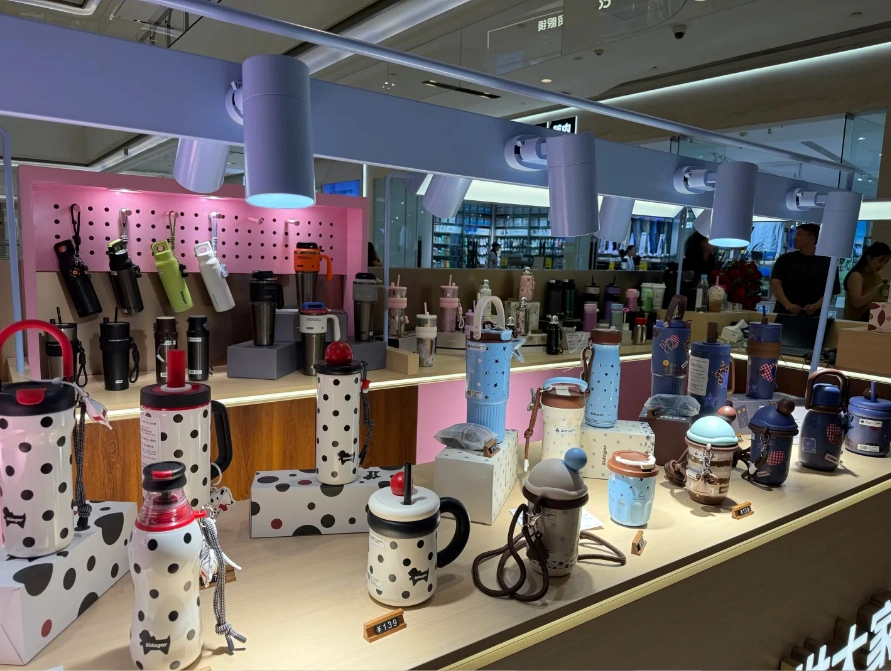
For B2B buyers, this is one reason product samples matter.
A product photograph can tell you what a bottle looks like.
A physical sample tells you whether the product is actually easy to live with.
How to Remove Mold From a Water Bottle
Mold is more likely to appear when moisture remains trapped in a dark or enclosed area.
If you see visible mold, stop using the bottle until it has been thoroughly cleaned.
Take apart all removable components and clean them individually with warm water and mild dish soap. Use a suitable brush for narrow areas.
Pay particular attention to:
Silicone seals
Straw interiors
Lid channels
Threads
Mouthpieces
If mold remains after cleaning, or a component cannot be cleaned properly, replacing that component may be the better option.
For brands and manufacturers, removable seals and replaceable components are practical design considerations, not just technical details.
Can You Put a Stainless Steel Water Bottle in the Dishwasher?
There is no universal answer.
Some stainless steel bottles are dishwasher-safe. Others are not. The bottle body, lid, straw and seals may also have different care requirements.
Always follow the manufacturer’s instructions for the specific product.
If you are buying stainless steel water bottles wholesale, ask the supplier directly:
Is the bottle dishwasher-safe?
Is the lid dishwasher-safe?
Can the straw go in the dishwasher?
Can the silicone seal be removed?
Are there any components that require hand washing?
These questions are easy to answer before an order.
They are much harder to deal with after thousands of units have reached customers.
What B2B Buyers Should Check Before Ordering Stainless Steel Water Bottles
Cleaning is only one part of the product.
When a wholesaler, distributor or retailer evaluates a water bottle, there are several other questions worth asking.
Material
Ask what stainless steel is used for the inner and outer construction.
Common specifications include 304 stainless steel and 316 stainless steel.
The right material depends on the product positioning, intended use and target market. Do not select a material simply because a higher number sounds better. Ask the supplier for the actual material specification and supporting documentation where relevant.
Capacity
A single capacity rarely works for every customer.
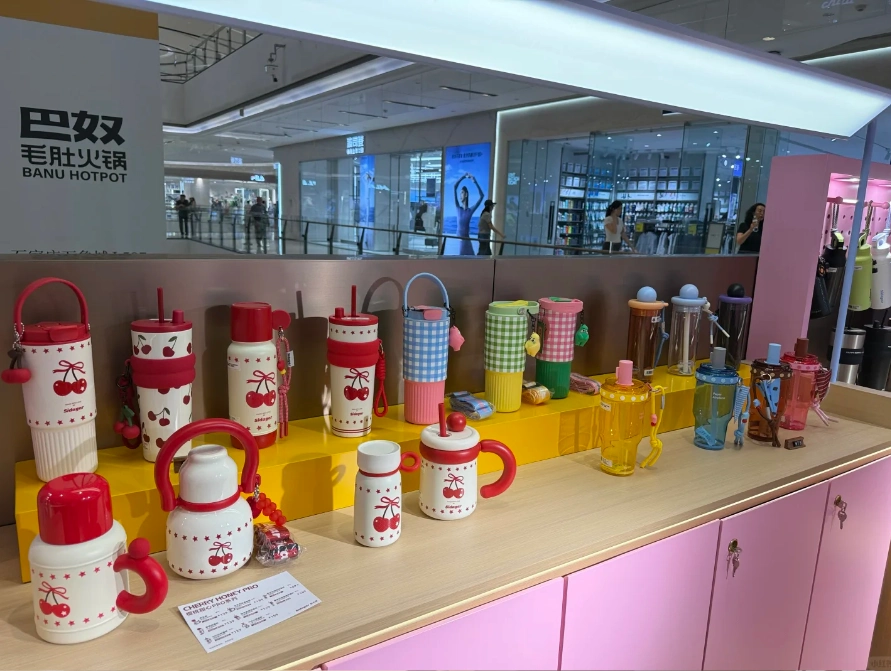
A retail collection may need several options, such as smaller bottles for everyday carry and larger bottles for sports, travel or outdoor use.
Multiple capacities also make it easier to build a more complete shelf display.
Lid Design
Look at the lid before looking at the logo.
Is it easy to open?
Can it be cleaned?
Can the seal be removed?
Is the straw replaceable?
Are there narrow areas where residue can collect?
These details affect the everyday experience far more than most product descriptions suggest.
Surface Finish
For premium drinkware, appearance matters.
Depending on the product, manufacturers may offer different finishes such as powder coating, ceramic coating, polished surfaces or other decorative treatments.
Ask how the finish should be cleaned and whether abrasive cleaning could affect the appearance.
Insulation
If you are sourcing an insulated water bottle or tumbler, ask for clear product specifications and testing information.
Do not rely on a simple claim such as “keeps drinks cold all day.”
For B2B purchasing, the actual specification matters.
Customization
If you are building your own brand, check what the supplier can support:
Logo printing
Laser engraving
Custom colors
Packaging
Gift boxes
Retail packaging
Private label production
MOQ and available options will vary by supplier.
The Product Needs to Fit the Customer, Not Just the Shelf
A water bottle can look great in a product photo and still be wrong for a particular market.
Imagine two retailers.
One sells outdoor equipment.
The other sells lifestyle products and gifts.
They may both be interested in stainless steel bottles, but they are unlikely to need the same product.
The outdoor retailer may care more about capacity, durability, weight and insulation.
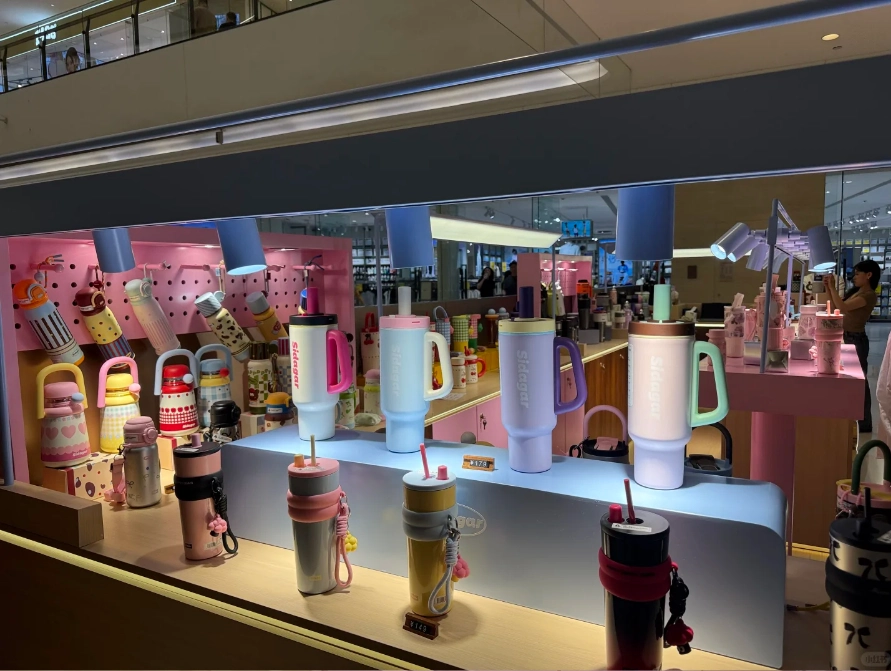
The lifestyle retailer may care more about colors, finish, packaging, design and shelf presentation.
That is why B2B product selection should start with the customer’s business rather than a generic catalog.
What Makes a Good Wholesale Water Bottle Supplier?
Price matters.
It is just not the only number that matters.
Before choosing a water bottle supplier, look at the complete process:
Product selection
Can the supplier provide multiple capacities, colors and styles?
Samples
Can you test the actual product before placing a bulk order?
Customization
Can they handle your logo, color, packaging and other requirements?
Production
What is the production capacity and lead time?
Quality control
What testing and inspection process is available?
Communication
Can the supplier respond clearly when specifications change?
After-sales
What happens if components need to be replaced or a production issue occurs?
A low unit price does not automatically mean a low total cost.
If the product does not fit the market, requires too much maintenance or cannot be replenished consistently, the original price becomes much less important.
Building a Water Bottle Range for Retail
For retailers and distributors, it can make more sense to build a collection rather than buy one bottle in one color.
For example:
Insulated Water Bottles
For commuting, travel and everyday hydration.
Stainless Steel Tumblers
For coffee, cold drinks and lifestyle use.
Sports Water Bottles
For gyms, fitness stores and active customers.
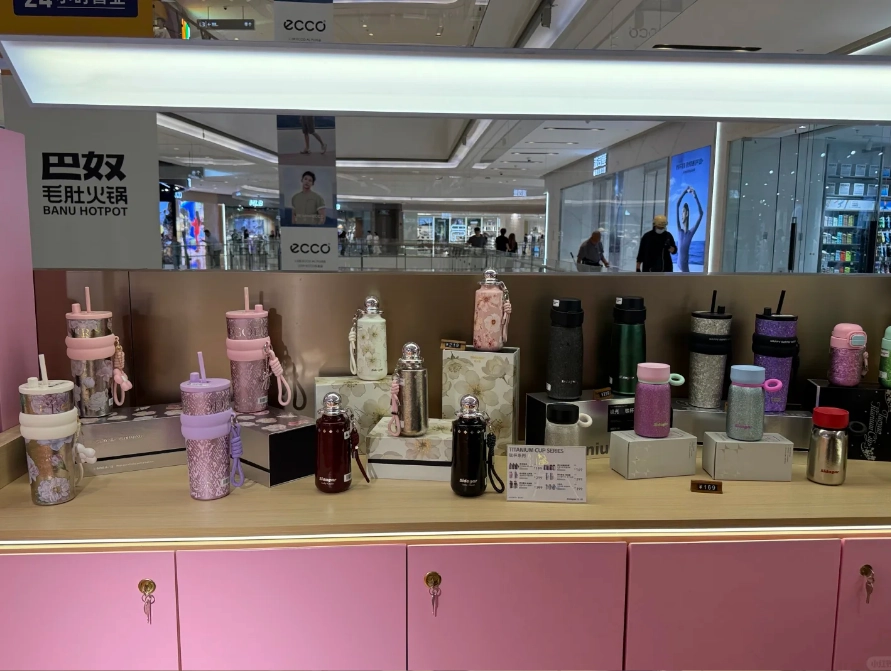
Titanium Cups
For lightweight outdoor and premium positioning.
Custom Drinkware
For corporate gifts, promotional products and private label projects.
Different capacities, colors and product types give customers more choice and can create a stronger shelf presentation.
For a distributor, it also means more than one product to introduce to an existing customer network.
Why Easy Cleaning Can Matter to a Retailer
Customers rarely ask about manufacturing details first.
They ask:
Will it leak?
Will it keep my drink cold?
Is it easy to carry?
Can I clean it easily?
Will it still look good after using it for a long time?
Those are product questions.
They are also sales questions.
A bottle that is easy to explain and easy to use gives a salesperson fewer problems to solve after the sale.
That is why cleaning should not be treated as a separate after-sales topic. It is part of the product experience.
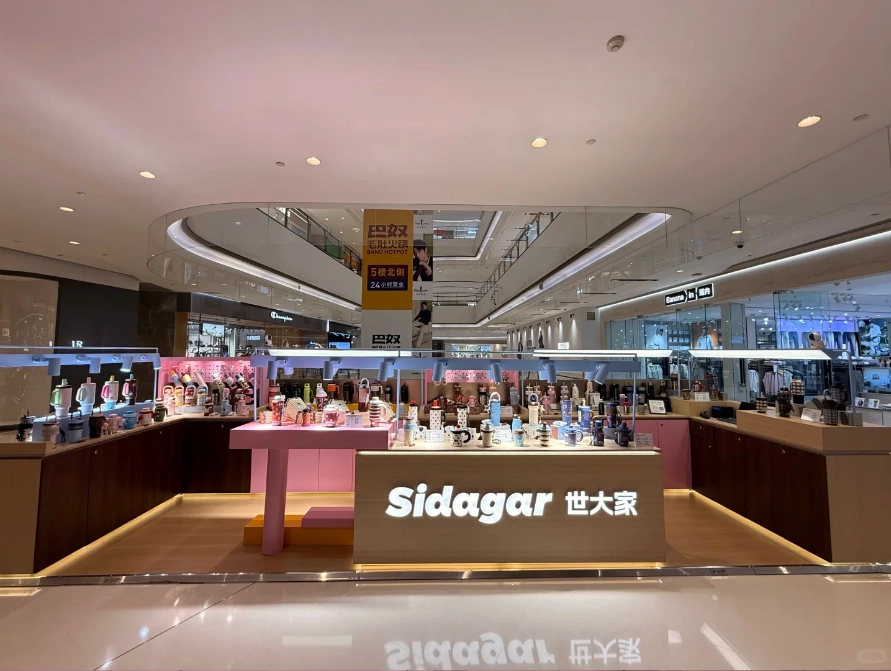
SIDAGAR Drinkware for Global B2B Markets
SIDAGAR develops drinkware for wholesalers, distributors, retailers, brands and other B2B customers.
Our range includes:
Insulated water bottles
Stainless steel water bottles
Tumblers
Titanium cups
Sports drinkware
Custom drinkware
We work with different requirements for materials, capacities, colors, designs, logos and packaging.
For buyers, the starting point does not have to be a large catalog.
Tell us your market, target customer, preferred price range and expected order quantity.
We can then narrow down the products that make sense for your business.
Looking for wholesale water bottles, insulated tumblers or custom drinkware?
Contact SIDAGAR to discuss your requirements.
FAQ
How often should I clean a stainless steel water bottle?
For daily use, cleaning the bottle after each day is a sensible routine. Bottles used for coffee, tea, milk-based drinks or flavored beverages should be cleaned soon after use.
What is the easiest way to clean a stainless steel water bottle?
Warm water, mild dish soap and a bottle brush are enough for most daily cleaning. Remember to clean the lid, straw and silicone seal separately.
Why does my stainless steel bottle smell?
Moisture and drink residue can remain inside the lid, straw or silicone seal. Cleaning those parts separately and allowing everything to dry completely can help.
How do I remove stains from a stainless steel bottle?
Try warm water and baking soda, followed by gentle brushing. Avoid steel wool and aggressive abrasive cleaners.
Can stainless steel water bottles go in the dishwasher?
Some can and some cannot. Check the manufacturer’s care instructions for the bottle and each removable component.
Is 304 or 316 stainless steel better for a water bottle?
Both are commonly used stainless steel grades. The appropriate choice depends on the product specification and intended application. Ask the supplier for the actual material specification rather than relying only on marketing language.
Can I buy stainless steel water bottles wholesale?
Yes. Wholesale programs may offer different capacities, colors, materials, packaging and customization options. MOQ and customization capabilities vary between suppliers.
Can a manufacturer make private label water bottles?
Many drinkware manufacturers offer private label services, including custom logos, colors, packaging and product specifications. Confirm MOQ, sample process and production lead time before placing an order.
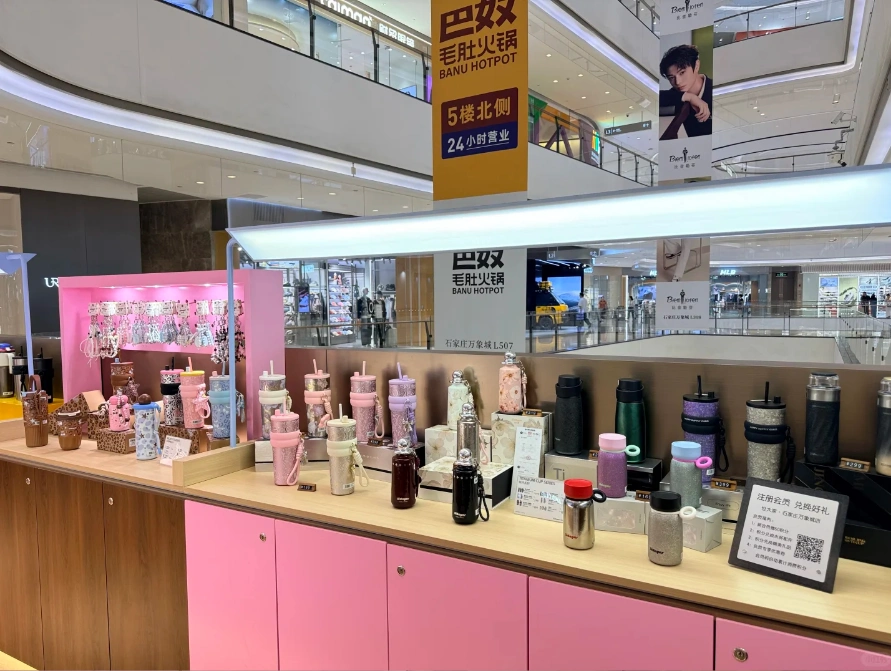
A Clean Bottle Is a Better Product Experience
Cleaning a stainless steel water bottle is simple when the design is practical and the basic care routine is followed.
For consumers, that means a bottle that stays fresh between uses.
For retailers and distributors, it means a product that is easier to sell, easier to explain and easier for customers to live with.
And for B2B buyers, the best time to think about those details is before the order, not after the products arrive.
If you are sourcing stainless steel water bottles, insulated bottles, tumblers or private label drinkware, start with the market you want to serve.
Then choose the product.